Monday, November 06, 2006

Wentwood Autumn

There is something about a woodland on a sunny autumn day. I hadn't been to Wentwood for a couple of years, but the beautiful weather last weekend and the news that redpolls were around in high numbers made it my choice for a morning walk.


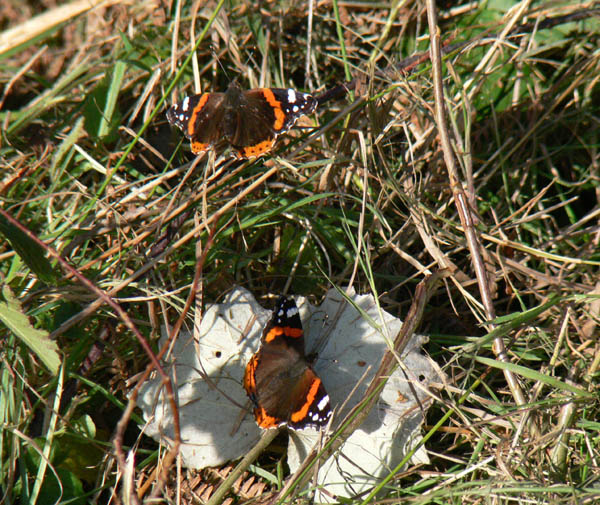
As the sun burnt off the frost, the beeches and oaks were backlit to perfection. An imperceptible breeze caused silken strands, now spiderless, to drift across the paths. All along the way Red Admiral butterflies danced between the trees, or lay down and soaked up the warming rays.


I couldn't believe the numbers of them, but the reason soon became clear-


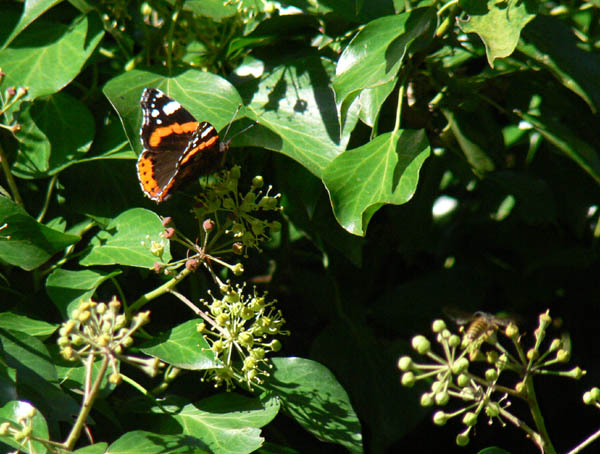
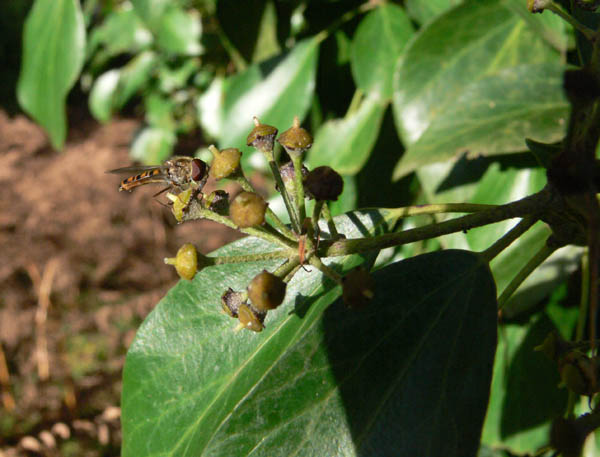
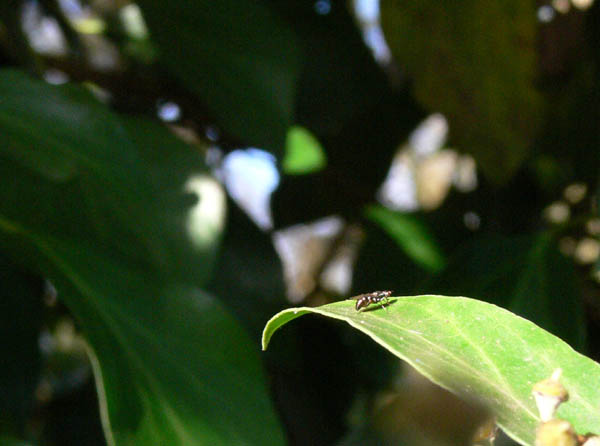
the tree trunks were lagged in ivy and it was alive! In a few minutes I saw a dozen or more flies, wasps and othe insects feasting on the ivy flowers. I have't bothered trying to put names to them, but a selection are shown below.


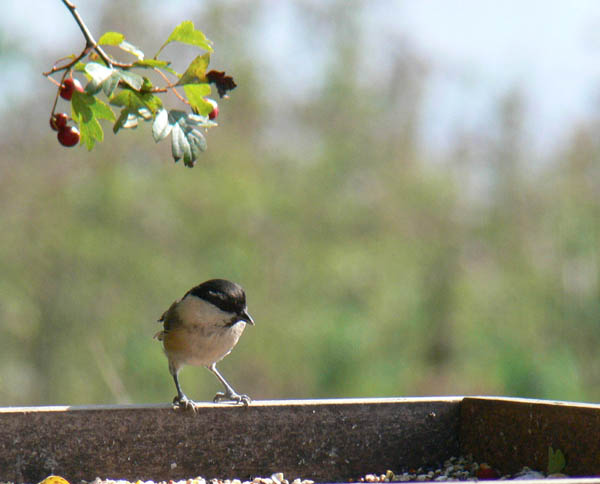
The birds were there, but no decent snapshots. The goldcrests were too small, quick and far away. The marsh tit flew too near, scolded me and then shot away again. The goshawk and bullfinch showed too fleetingly in full flight, the jays were too nervous, and I didn't actually pick out a redpoll in amongst the flocks of finches and tits. But what the hell - mornings like that don't come along too often!

Tuesday, October 31, 2006

Bits and Pieces


The year is winding down, but there are still a few things to snap in the hedgerows and garden.

Evening Primrose
(I'm afraid it always makes me think of PMT!)


Ragged Robin

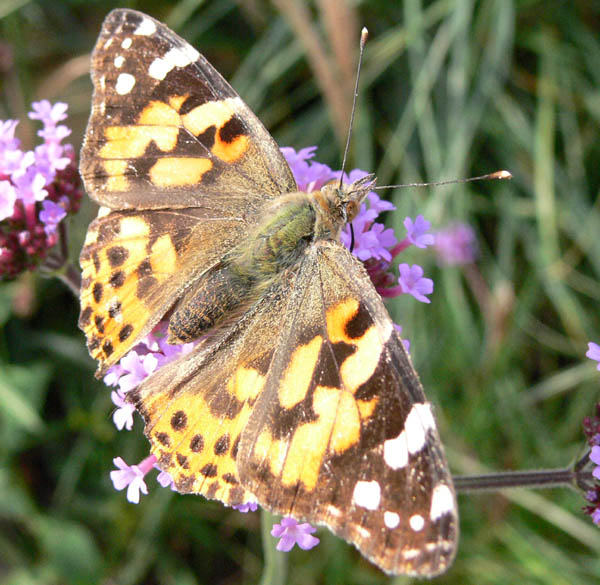
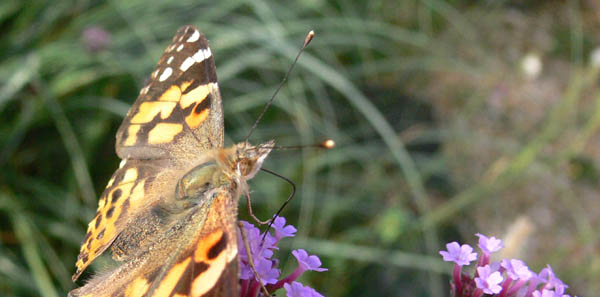
An Ageing Painted Lady

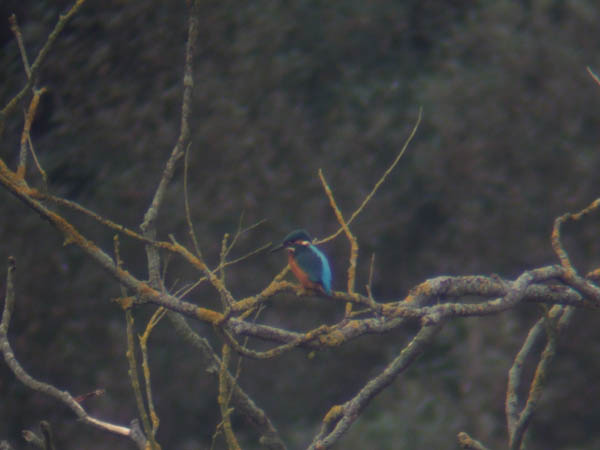
At Magor Marsh reserve the hoped for water rail failed to appear, but I had long range views of a kingfisher, and watched a buzzard in a dogfight.


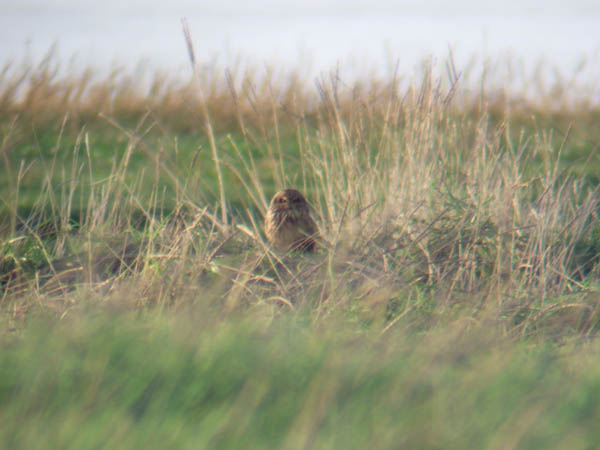
Meanwhile down on the banks of the Severn Estuary the Barn owls have been joined by a short eared owl - bit shy the day I was there, although there are some good shots around - try
http://mysite.wanadoo-members.co.uk/severnsidebirds for a few better shots than my maximum magnification digiscoped efforts (look under 2006 sightings for October)


A nice way to end the month

Wednesday, October 25, 2006

Funny sparrows 2

After a few weeks of limited opportunities at home, a trip up north again gave me a chance to return to Old Moor, this time with a scope and more luck.

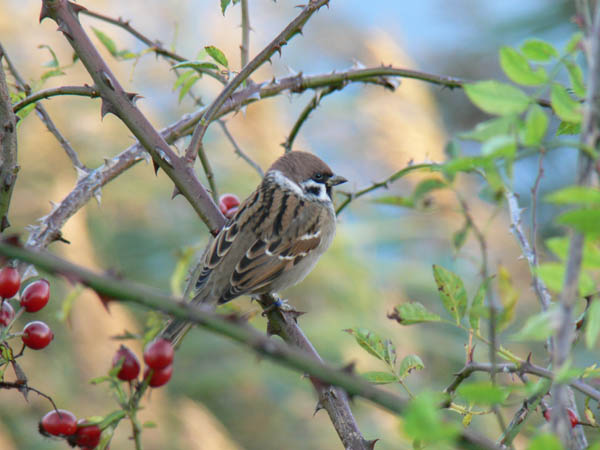
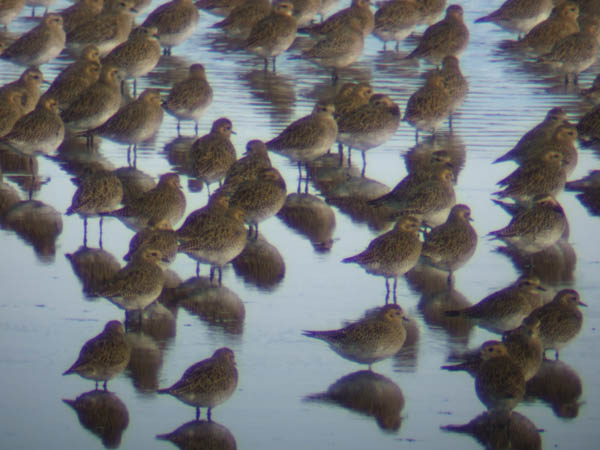
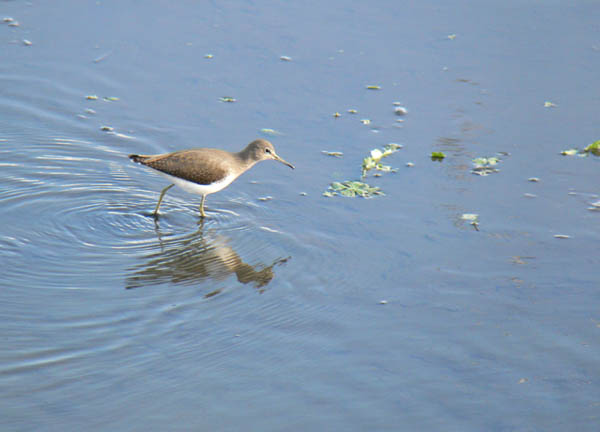
The tree sparrows finally obliged, just outside one of the hides and some waders were finally in range (well except the golden plover which were in digiscoping range [marked 'D'] - not quite the same thing!).

[Click on the pics for slightly bigger views]


Tree Sparrow

Golden Plover [D] above and below


Green Sandpiper

Redshank

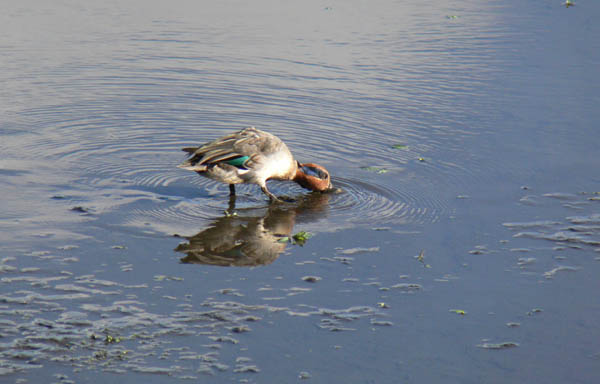
Teal (female above, male below)

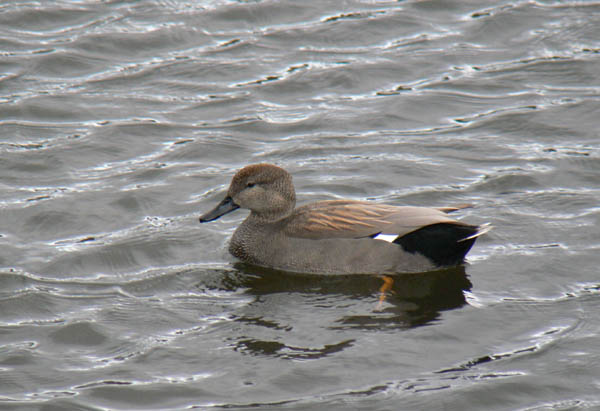
Meanwhile in Treeton the duck brigade were out in force on Catcliffe Flash, albeit again mainly in digiscoping range.

Gadwall

Wigeon (and Shoveller in background) [D]

Nice to see the male wigeon back in plumage after the eclipse plumage of my previous post from Old Moor.

Monday, October 02, 2006

Twitchers, Tickers .... & Snappers?

Wikipedia: Because twitching may be a sign of serious illness, it is highly recommended that individuals experiencing prolonged twitching seek medical attention

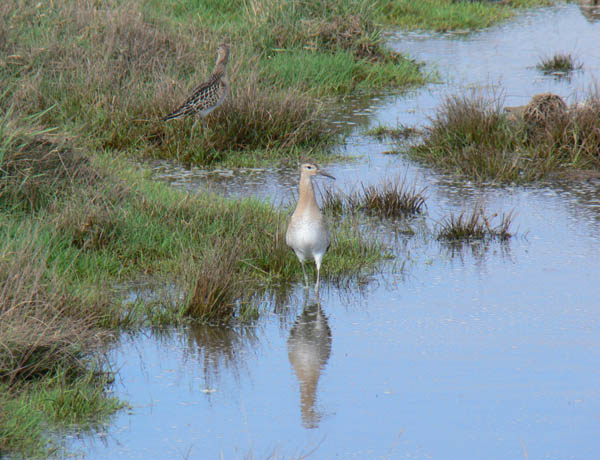
"Did you see it?" .............. Heading back to the car, tripod and scope slung over my shoulder I was obviously a birdwatcher. Equally obvious from my blank look was the fact that I hadn't seen 'it' - unless 'it' was the ruff, which seemed a bit unlikely.


Ruff

The sandpiper, he said, before hurrying on down the track, explaining over his shoulder that he'd had a mobile phone call from 'Paul'. Few minutes dithering and I turned to follow. 'It' turned out to be a pectoral sandpiper, albeit a shy one! Worth seeing as a first for me, although no good for photos - not even the so-called record shot.
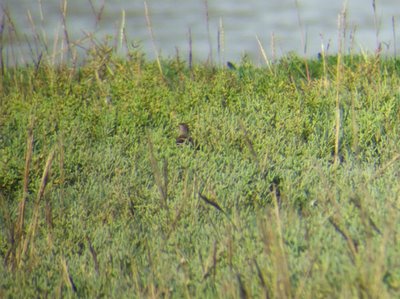
It's there - honestly!!
See what I mean?

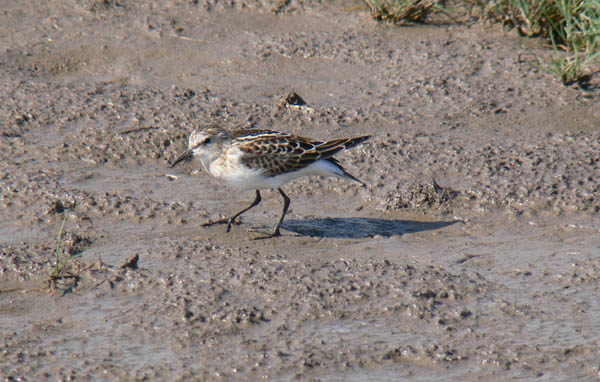
That said I did get really good view of this Little Stint when walking back to the car again, so it was worth it. (Another example - I was standing watching the LS and a breathless new arrival appeared to say "where's the pec sand?". He then asked if I'd found the Stint - which was 10 feet in front of him! Mind you, I suppose they are small)


Little Stint

Got me thinking about the way birdwatching is done these days. Guys peering at pagers, mobile phones, websites - a million miles removed from the old phone up that evening on a landline approach. Now within minutes of a rarity being spotted twitchers are on their way from all over the country. Just have a look at the surfbirds website 'stop press' galleries, where half a dozen different shots of the same bird taken by different people can appear in a day or two - a classic example being the admittedly beautiful pallid harrier in Norfolk at present. Or there was the sadly demised rose-coloured starling which was widely reported to have been harassed to death by the excited hordes in Norfolk. Following extract from Surfbirds news feed:
"...................... The reason the bird died was because of the two ticks draining its life blood and nothing to do whatsoever with birders scrambling to see it. Such parasites have had similar affects to a wide range of bird species throughout the ages. It was however feeding well and was taking Cranefly after Cranefly from the protected lawn inside the Wireless Station compound in Winterton village. It was ridiculously lethargic and struggling to fly far but fed to within a few feet of observers. Birders surrounded it but certainly did not hound it in any way nor was it 'chased' from pillar to post as suggested in the newspaper articles. Due to a Pallid Harrier in the vicinity, it was obviously visited by perhaps over 500 different observers over the weekend but as far as I know, it was certainly not 'hounded to death'. Hmmm - I don't suppose the 500 was a helpful situation really?.

Don't get me wrong. I'm happy to travel around my local patch if there's something to see. I use local birding websites, leading to views of black necked footy arses (read the archive!), hen harrier, snow bunting, purple sandpiper and most recently barn owls, that I probably would have missed otherwise. (Interestingly I have no photos of any, although some video of the grebes, bunting and harrier). I just can't really get the twitching, race-around-the-country thing - although that pallid harrier could tempt me!

That's another thing - I think if I did at all, I would only twitch the good looking things! The much photographed short toed lark on Great Orme may be rare, but it is a bit like many female finchy things, and not massively photogenic. Maybe that's it - I like some sort of picture more than the chase or the tick. And judging by the number of birding websites and blogs I'm not the only one - although some are truly photographers not snappers!

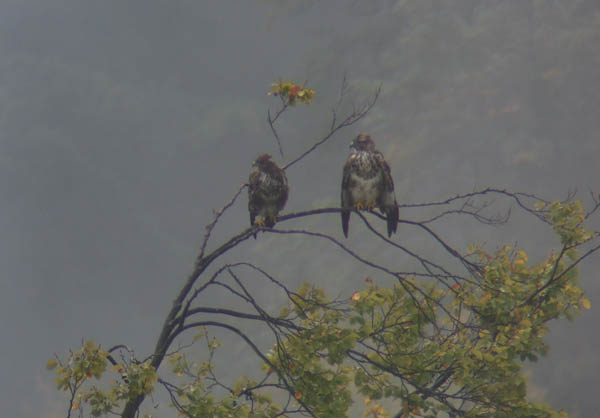
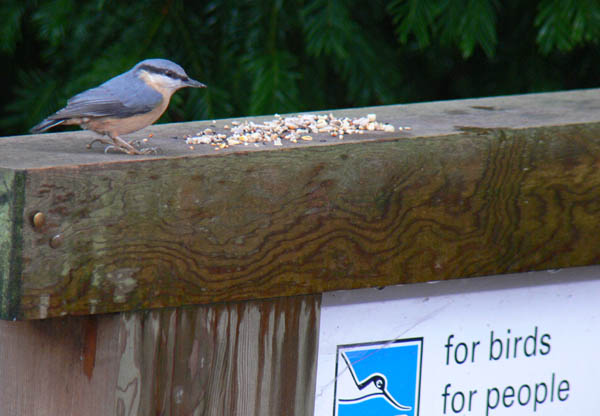
The old fashioned ways of finding birds still work though. Bemoaning the difficulty of getting a nuthatch to pose in the woods I was told to go to Symonds Yat and put some seeds on the RSPB sign - hey presto, some lovely misty views of the river valley, buzzards and then - the nuthatch.


Symonds Yat

Common Buzzard

Nuthatch
I wouldn't be without the websites though - the views of the barn owls over three evenings have been worth it alone - just a shame they wait until the light levels are so low before they come out, so the camera is useless. I've tried in the morning, but no birds. Still at least the biggest crowd we've had was 5, so hopefully they'll not go the way of the starling.

Tuesday, September 26, 2006

Pits, tits and funny sparrows

A few days off work and a trip up to Kay's homeland of South Yorkshire gave me more time than usual to get out and about, even if just for a couple of hours at a time. It was only afterwards that I realised the sites I visited were all connected with the coal mining industry that once dominated life here.
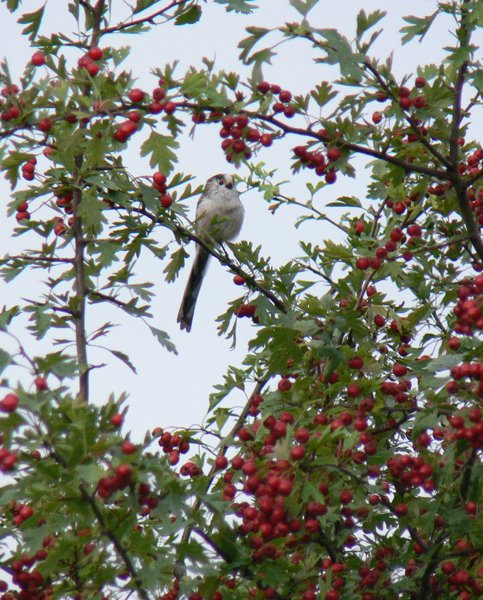
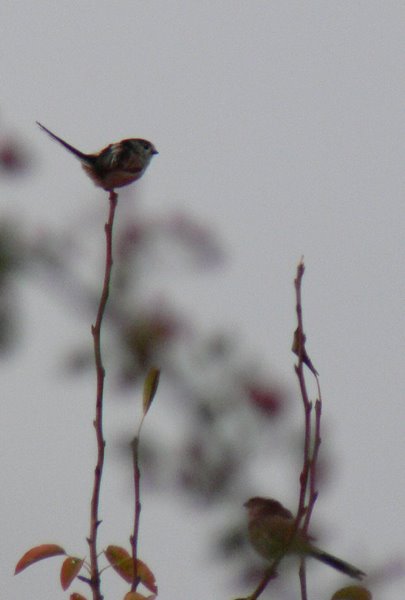
In Treeton, Kay's home village, the pit closed down years ago and the old coal tip has reverted to nature. There's a walk on the edge of the village leading through hawthorn scrub to a small marsh and then a river, now running clean again. Even though it was only a few hundred yards long an early morning walk produced jays, bullfinch - better heard than seen - a snipe, kingfisher and a mixed flock of 30+ tits. The light and views precluded most decent photos, but I did like the way this low light shot of the long tailed tits turned out


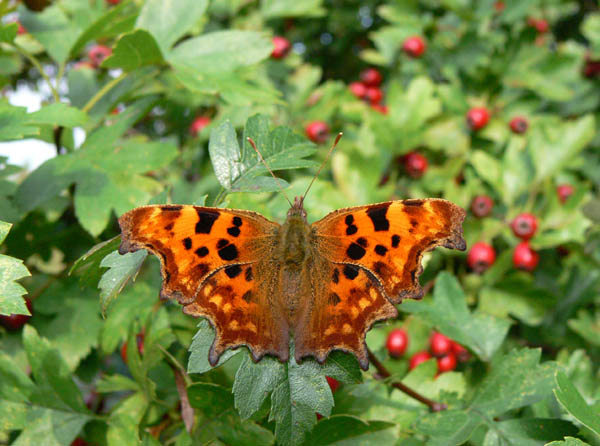
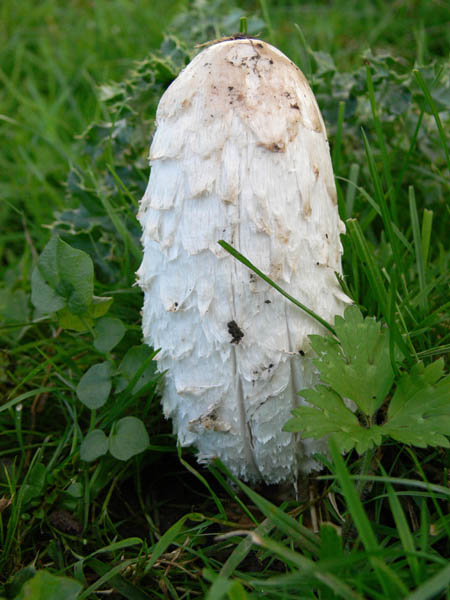
There was plenty to see beside the birds, including this near perfect comma butterfly, the sadly rampant himalayan balsam covered in bees (mining the admittedly gorgeous flowers!) and fungi.

Comma

Himalayan Balsam

Shaggy Inkcap

A trip to the RSPB wetlands reserve at Old Moor, near Barnsley, the pools formed by coal mining subsidence proved less successful for seeing the waders, but then it helps if you remember your telescope! Still provided half decent views of snipe, golden plover, etc, and some action when lapwing flocks numbering hundreds were spooked by a peregrine. These wigeon were about the only wetland birds in camera range, although you can probably see the snipe with the eye of faith!


Wigeon

Snipe

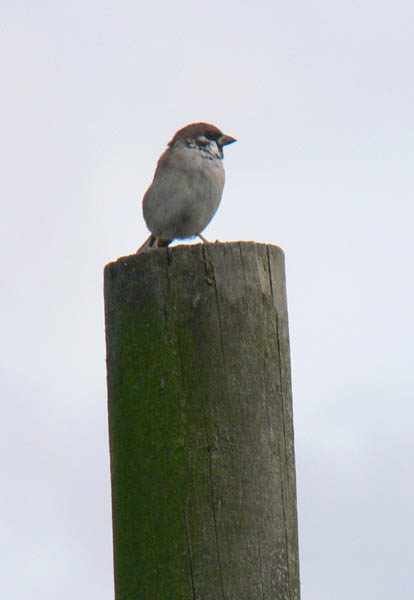
My main reason for going however was to see the tree sparrows - apparently the biggest UK colony now, with 63 pairs having up to 3 broods each this year. Didn't make them any more prepared to pose for the camera though, this being the best effort.


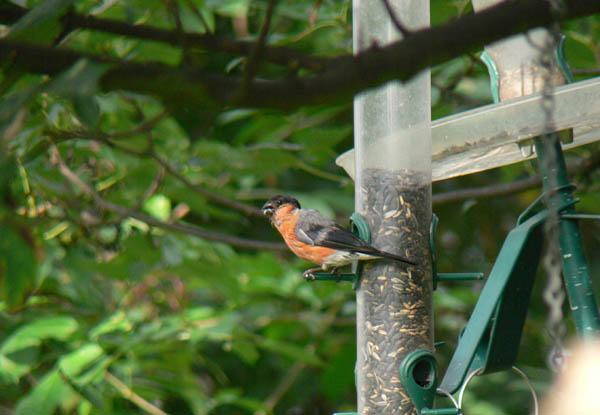
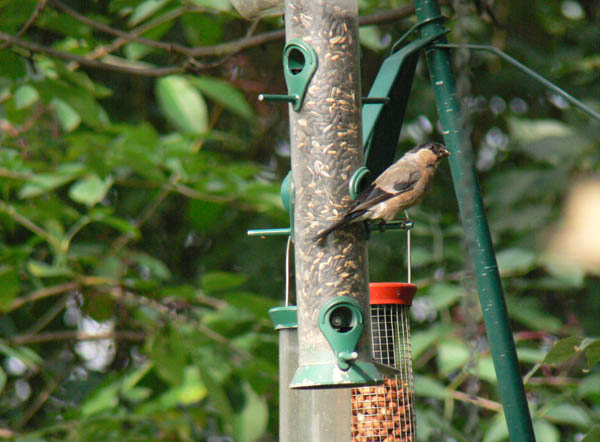
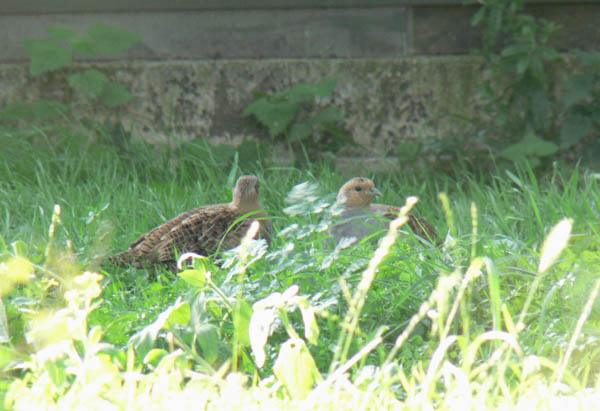
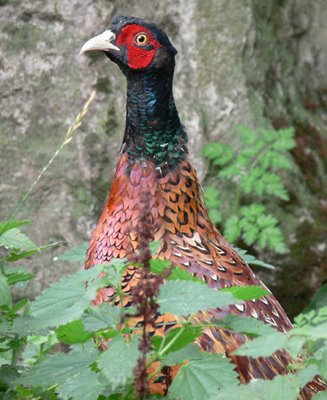
Even the usually reliable feeding station failed to turn up a single sparrow, but it was better than expected for other birds - I'd never seen bullfinch on a feeder before, and the grey partridge were also a bonus.


Bullfinch - male (above) and female

Grey Partridge (above) and Common Pheasant
Ducking out of a trip to the Doncaster Outlet Village I took the chance to visit the Wildlife Trust reserve of Potteric Carr a few minutes away, and was amazed at what I found. Birch and mixed woodland grew on the old colliery waste next to the railway, and subsidence had again returned the land to pools and marsh.


Well worth a further visit, especially as I didn't get to see the lesser spotted woodpeckers. I'm assured this was a willow tit, but it wasn't singing so I've taken that on trust - one day I'll have the confidence to separate willow from marsh tits on sight!